“It is always winter, but never Christmas.” Those haunting lines from C.S. Lewis’s The Lion, the Witch and the Wardrobe describe a land where Christmas was blocked by the evil witch. Visiting Montreal, you might be forgiven for thinking you were in Narnia.
Our first Christmas there was during COVID, so we struggled to meet our neighbors. We wanted to communicate the joy of the season somehow, so we decided to put a nativity in our front yard. Our neighborhood was majority Chinese, and most of the rest were immigrants, so we thought it might be a good idea. Alas, after visiting multiple stores and malls, we couldn’t find a nativity scene for sale anywhere. Online wasn’t any better.
Last week I was back in Montreal at a local mall. A few forlorn ornaments hung from the skylight, but there were no lit angels, no shepherds, no animals, nothing to remind anyone of the reason for the season. It was winter, but Christmas had been forgotten, banished to the edges of culture by a secular society that increasingly sees religion as the enemy.
One recent survey showed that 70% of Quebecers believe in some sort of God; they simply want nothing to do with religion. Fewer than 1% of the population can be found worshiping Jesus in church on any given Sunday. In other words, the invasion of the Incarnation is needed more than ever.
Merry Christmas! It is good news for people everywhere that there is a Reason for the season. Christ the Savior is born!
Memories of Montreal
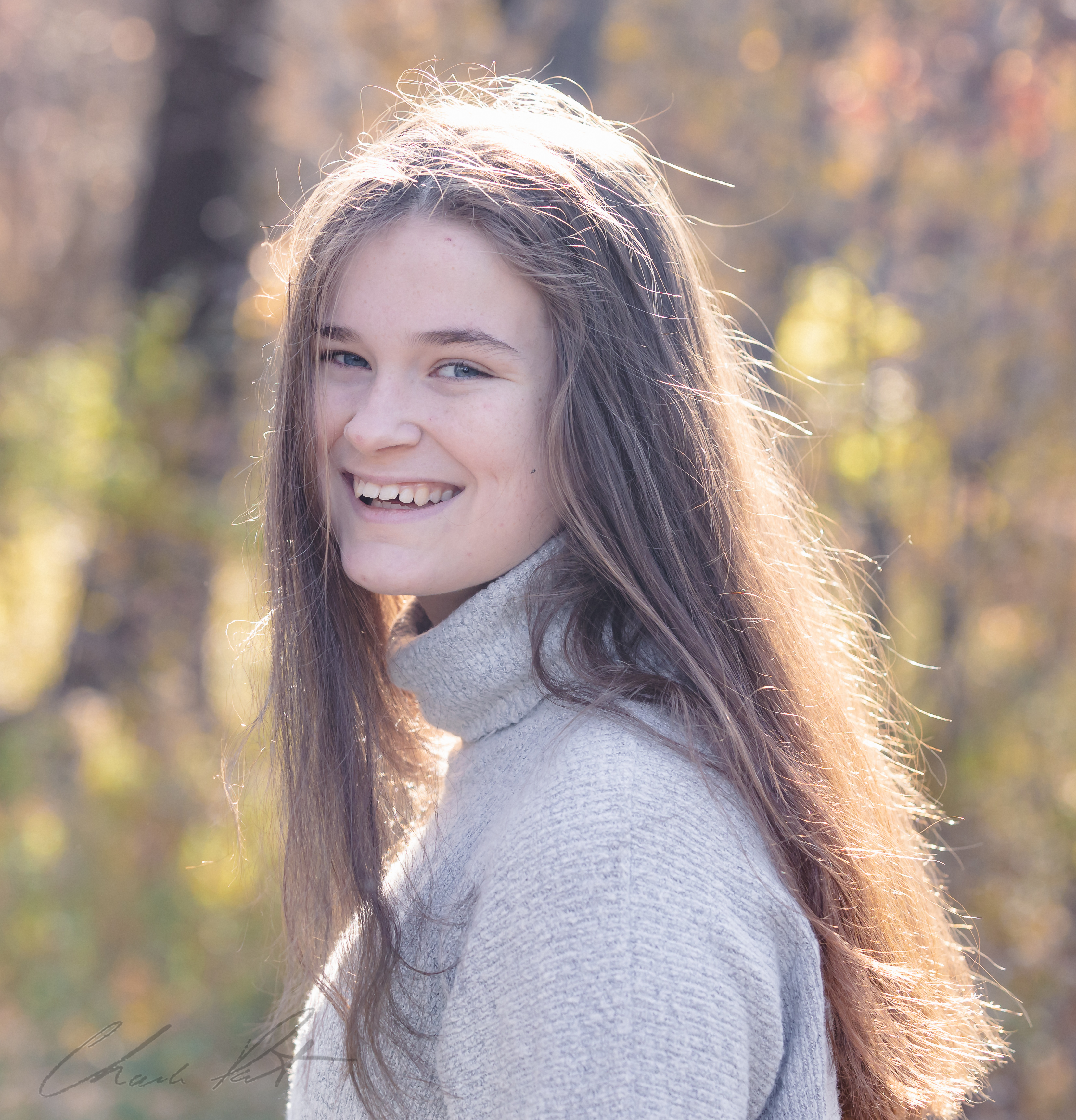
For this post, we wanted to share a different perspective. Each of our children wrote a couple of paragraphs about their memories of Montreal.
Joshua: I noticed the streets. My first impression of Canada was that most of the street names were of famous people in French history, and there were too many stop lights! Every intersection has either a red light or a stop sign. After a month in Montreal, I noticed that many older people biked or walked for hours when the weather was right. When my family and I entered the city, there were intricate landscapes and buildings I had never seen before, and I was in wonder, thinking, “Wow, God must have given the artists a gift of imagination and inspiration to create artwork like this.”
Alana: I love the art. What I loved most about Montreal is the art. Driving through the city in the back seat is a visual experience. There are murals and unique graffiti on every other block, which gave birth to a car game where we’d try to spot an artist’s tag before anyone else. The second thing I loved is how culturally diverse it is, and how good the food is. The food was heaven! The hardest part about Montreal was seeing clearly how lost it is. Churches ran residential schools that harmed and abused many Indigenous people in Canada; the last of these schools closed in the 1990s. I learned about this at school in Montreal, and many Canadians dislike or even hate the church because of it. It was a hard lesson in how misrepresenting Christ can make it harder to share the gospel with those who need it. Experiencing this in public school made me grow in my faith and in how to stay strong in it. I also loved learning French. I was born in France, so learning the language helps me feel closer to where I was born and to the members of my family who are fluent. I’m still at un niveau d’enfant, a child’s level, but I’m working hard to get to native fluency.
Riley: I loved the food. One of the things I liked most about Montreal was all the ethnic food. We could drive 15 minutes in any direction and find five different kinds of food. My personal favorite was Lebanese. There was a place 10 minutes from us that made the best chicken shawarma wraps. They roast the chicken on a spit, and I’d always ask for hot sauce in mine. Quebec also has its own food, poutine. Some people really dislike it, but I loved it. It’s basically fries, gravy, and cheese curds, but some places make specialty poutine with chicken or veggies on it. There was another place where we’d get Portuguese chicken and rice. I liked the rice a lot, because the seasoning from the chicken would end up on it, and it was so good.
Ministry
Our work continues to be mentoring and coaching pastors, mostly online in this season. I’ll also be traveling frequently as I work on a plan for recruiting and sending new workers to the least-reached area of all North America: French-speaking Quebec.